



What Is a Busbar Machine and How Does It Process Copper and Aluminum Busbars?
The Importance of Busbar Processing in Electrical Manufacturing
In modern electrical power systems, busbars play an essential role in distributing high electrical currents safely and efficiently. These conductive metal bars, commonly manufactured from copper or aluminum, are widely used in switchgear, distribution cabinets, transformers, control panels, and renewable energy equipment.
However, raw busbar materials cannot be directly installed into electrical systems. They usually require precise processing, including cutting to specific lengths, punching connection holes, and bending into customized shapes.
This is where a busbar machine becomes an important piece of industrial equipment. By integrating multiple processing functions into one system, a busbar machine allows manufacturers to produce accurate, reliable, and installation-ready busbars with higher efficiency and consistency.
What Is a Busbar Machine?
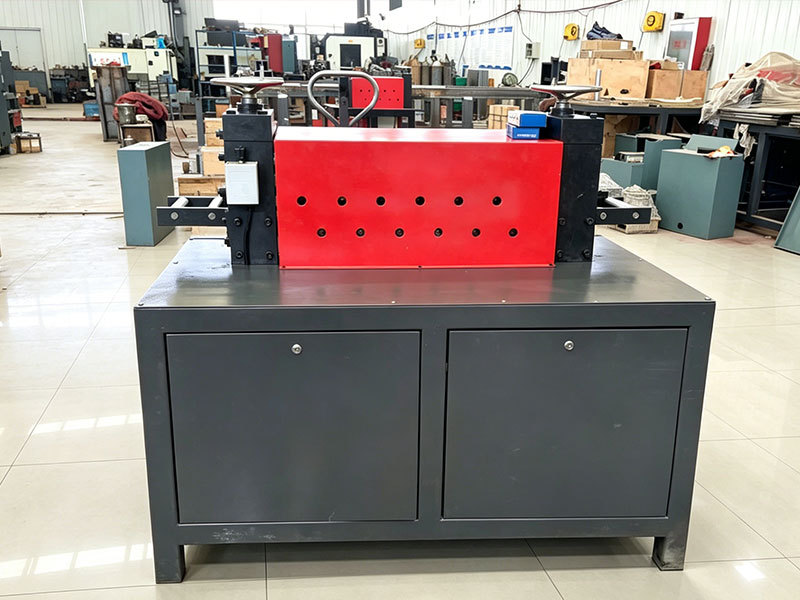
A busbar machine, also known as a busbar processing machine or busbar fabrication machine, is specialized equipment designed for machining copper and aluminum busbars used in electrical applications.
Unlike traditional manual tools, busbar machines use hydraulic, electric, or CNC-controlled systems to perform precision operations such as:
- Busbar cutting
- Busbar punching
- Busbar bending
- Embossing and other customized processes
The main purpose of a busbar machine is to transform flat copper or aluminum bars into finished components that meet the exact requirements of electrical equipment manufacturers.
For example, a switchgear manufacturer may require a busbar with specific dimensions, mounting holes, and bending angles. Instead of performing these tasks manually, operators can use a busbar machine to complete the entire fabrication process faster and with higher accuracy.
How Does a Busbar Machine Work?
Although different models may have different structures, most busbar processing machines follow a similar working process.
The basic operation includes:
- Preparing the busbar material
- Setting processing parameters
- Cutting the busbar
- Punching holes or slots
- Bending the busbar into the required shape
- Inspecting the finished product
Advanced CNC busbar machines can automatically control positioning, dimensions, and production programs, making them suitable for large-scale manufacturing environments.
Main Processing Functions of a Busbar Machine
1. Busbar Cutting Process
Cutting is usually the first step in busbar fabrication.
A busbar machine cuts copper or aluminum bars into the required length according to engineering drawings or production specifications.
Compared with manual cutting methods, professional busbar cutting systems provide:
- Higher dimensional accuracy
- Cleaner cutting edges
- Reduced material waste
- Faster production speed
Precise cutting is especially important because incorrect busbar dimensions can affect installation inside electrical cabinets and create problems during assembly.
Modern machines use hydraulic cutting systems or precision cutting tools to ensure stable and consistent results.
2. Busbar Punching Process
After cutting, busbars often require holes or slots for electrical connections.
The punching function creates different types of openings, including:
- Round holes
- Oval holes
- Mounting holes
- Connection slots
These holes allow busbars to connect with circuit breakers, terminals, insulators, and other electrical components.
A high-quality busbar punching system ensures that hole positions remain accurate, which improves installation efficiency and electrical connection reliability.
CNC-controlled models can automatically position the material according to programmed dimensions, reducing manual measurement errors.
3. Busbar Bending Process
Busbar bending is another essential function because electrical cabinets often have limited internal space.
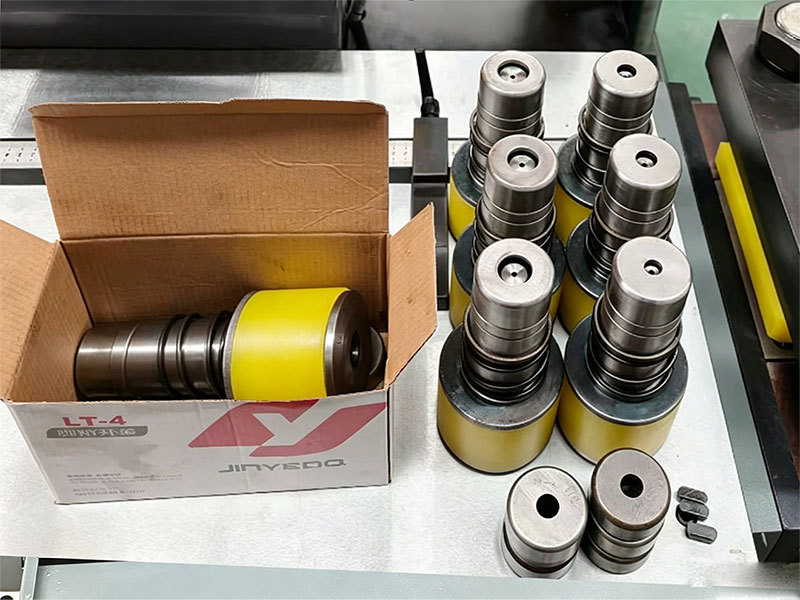
Through controlled pressure and specially designed molds, busbar machines can create various shapes, such as:
- L-shaped bends
- U-shaped bends
- Z-shaped bends
- Vertical bends
- Custom bending designs
Accurate bending allows busbars to fit perfectly inside switchgear and power distribution equipment while maintaining proper electrical clearance.
Modern CNC bending systems can control bending angles precisely and compensate for material springback, improving consistency in mass production.
Additional Functions of Modern Busbar Machines
Besides the three basic processes of cutting, punching, and bending, some advanced busbar machines can perform additional operations, including:
Embossing
Embossing can add identification marks, product numbers, or manufacturing information onto busbars, making production management easier.
Twisting
Some special applications require twisted busbar designs to improve installation flexibility or meet electrical layout requirements.
Deburring
After cutting and punching, deburring removes sharp edges and improves safety during installation.
These additional functions make modern busbar machines more versatile for customized electrical manufacturing.
Different Types of Busbar Machines
Depending on production requirements, busbar machines can generally be divided into several categories.
Manual Busbar Machines
Manual machines are simple and cost-effective solutions suitable for small workshops or maintenance applications.
Advantages:
- Lower investment cost
- Easy operation
- Flexible movement
Limitations:
- Lower production efficiency
- More dependence on operator skills
- Limited processing accuracy
Hydraulic Busbar Machines
Hydraulic models are widely used because they provide strong processing force and stable performance.
They are suitable for:
- Electrical cabinet manufacturing
- Power equipment production
- Medium-volume busbar fabrication
CNC Busbar Machines
CNC busbar machines represent the advanced level of busbar processing technology.
They use computer-controlled systems to manage:
- Cutting dimensions
- Punching positions
- Bending angles
- Production programs
Main advantages include:
- High precision
- Repeatable processing quality
- Reduced labor requirements
- Higher production efficiency
For large electrical equipment manufacturers, CNC busbar machines are becoming increasingly popular because they improve both productivity and product consistency.
Applications of Busbar Processing Machines
Busbar machines are widely used in industries that require reliable electrical connections.
Common applications include:
- Low-voltage switchgear
- High-voltage electrical cabinets
- Power distribution systems
- Transformer manufacturing
- Industrial control panels
- Data center power systems
- Renewable energy equipment
- EV charging infrastructure
As global demand for electricity infrastructure continues to grow, efficient busbar fabrication technology has become increasingly important.
Why Choose a Professional Busbar Machine?
Compared with traditional manual processing methods, a professional busbar machine provides significant advantages:
Higher Processing Accuracy
Precise cutting, punching, and bending improve product quality and reduce installation problems.
Improved Production Efficiency
Multiple processes can be completed quickly without transferring materials between different machines.
Reduced Material Waste
Accurate positioning minimizes errors and improves material utilization.
Better Production Consistency
Automated systems ensure that every busbar meets the same manufacturing standards.
Send Us A Message
Get in Touch
*We respect your confidentiality and all information are protected.

First class quality service and professional after-sales team.